Red dots for duty Glocks: enclosed emitters, plates and zero
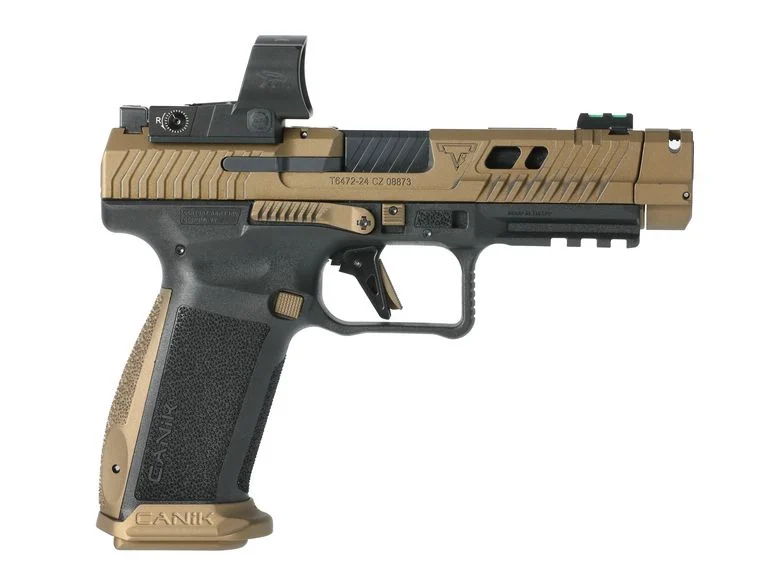
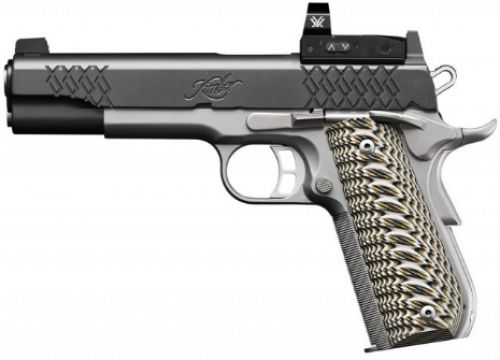
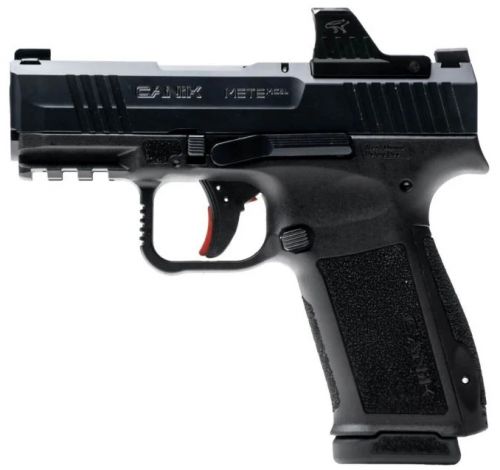
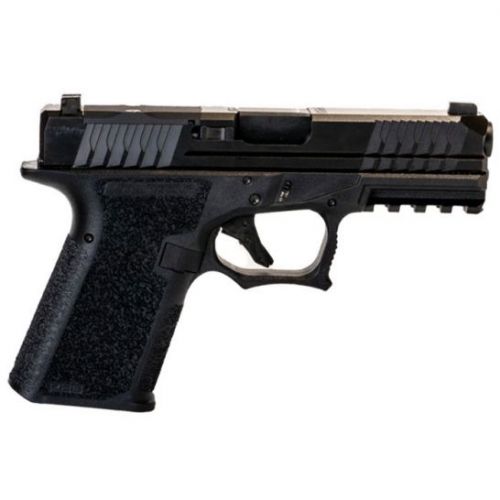
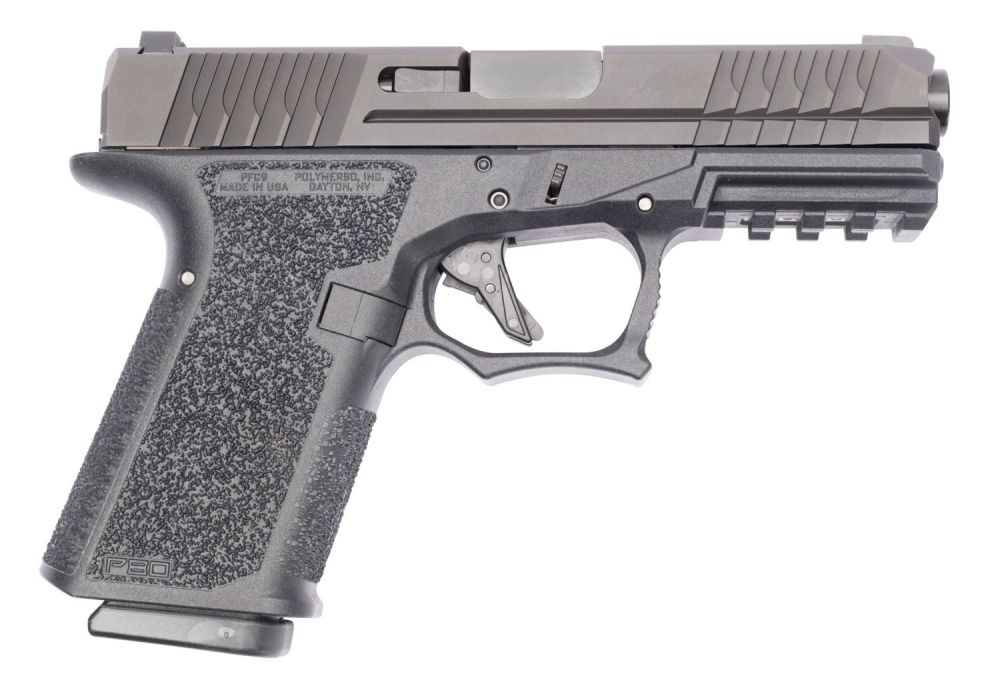
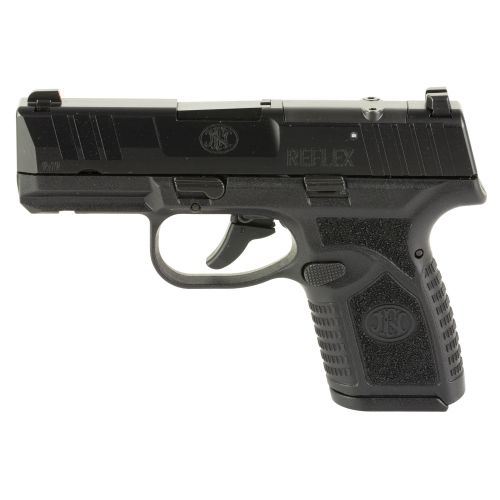
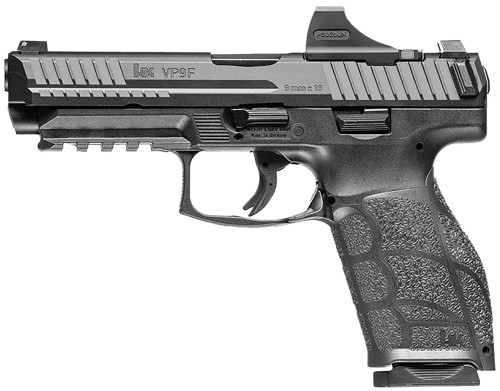
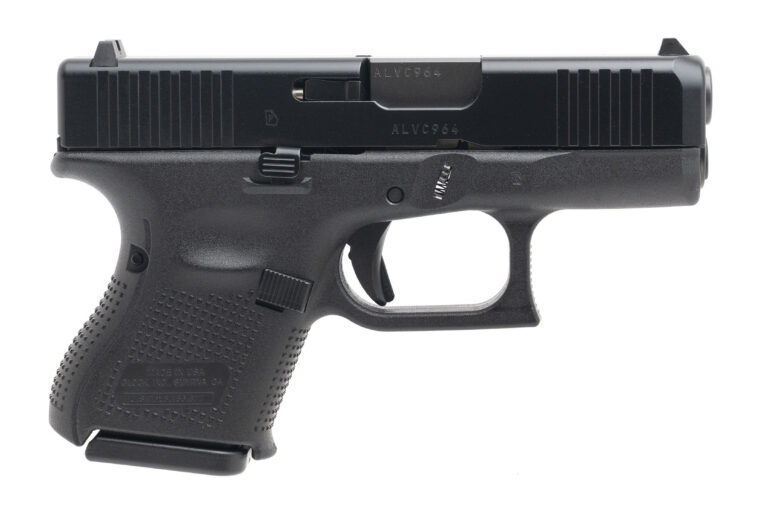
Red dots on duty pistols went from unusual to standard in about five years, and the Glock MOS made the change easy: a slide cut with plates for the common footprints. The hard part is choosing a dot that survives duty and mounting it so it stays. This guide covers the enclosed and open emitter question, the dots agencies have settled on, footprints and plates, mounting, zero, the sights under the dot, and care.
Enclosed or open
An open-emitter dot projects its dot from an exposed emitter at the back of the window; rain, mud, snow, lint and blood on that emitter blank the dot. An enclosed-emitter dot seals the emitter inside a housing with a second lens, and it works with the housing wet or dirty. Open emitters are lighter and lower; enclosed emitters are the duty choice, and the trend in agency policy is toward them. If the pistol lives in a holster in the rain, enclosed.
The duty dots
- Aimpoint ACRO P-2: enclosed, 3.5 MOA dot, 50,000-hour battery on a CR2032 in a side tray, its own footprint. The reference enclosed dot.
- Holosun 509T: enclosed, titanium housing, circle-dot reticle, solar backup, its own footprint with an RMR-pattern adapter plate. The value duty enclosed dot.
- Trijicon RCR: enclosed, RMR footprint with a top-loading battery, the newest of the three.
- Trijicon RMR HD and RMR Type 2: open emitter, the original duty dot, RMR footprint, forged aluminum, the largest holster and plate ecosystem.
- Holosun 507C and 508T: open emitter, RMR footprint, proven at a lower price; the 508T in titanium is the duty version.
- Leupold DeltaPoint Pro: open emitter, its own footprint, a large window, common on agency lists.
Footprints and plates
The Gen 5 MOS ships with a set of plates: one for the RMR pattern, one for the DeltaPoint Pro, one for the Docter and C-More patterns. The ACRO uses its own footprint and needs its own plate; the 509T uses an adapter. The factory plates work; the aftermarket steel plates from makers such as C&H and Forward Controls fit the MOS cut tighter, use better screws and are the standard for duty. A milled slide with the dot directly in the steel is the best mount of all and is common on agency pistols; it also removes the MOS cut's plate as a failure point.
Mounting
Clean the cut and the plate with alcohol. Seat the plate, and torque its screws with a drop of blue thread locker to the maker's figure, usually 12 to 15 inch-pounds. Seat the dot on the plate's bosses, use screws of the length the plate maker specifies, torque them the same way, and let it cure overnight. Paint a witness line across each screw head onto the housing. Loose screws are the leading cause of dot failures on duty pistols, and the witness line catches them at the daily check.
Zero
Zero at 10 yards from a rest, confirm at 25, with the duty load. Most agencies zero for the dot to sit on the point of impact at 25 yards and accept the small offset at 10. Five-round groups, adjust from the group center, and record the zero. Confirm it after the first 200 rounds, after any drop, and at every qualification.
Backup sights
Suppressor-height steel sights visible through the window, so the pistol can be shot with the dot dead and so the front sight helps find the dot on the presentation. The factory sights are too low to see through most dots; replace them. Check that the front sight clears the front of the dot housing.
Batteries
A dated battery change once a year, whatever the battery life claims, with the date written where the daily check sees it. A side-loading or top-loading tray, as on the ACRO, 509T and RCR, keeps the zero through a change; a dot that must come off the plate to change its battery should be re-zeroed after. Shake-awake dots save battery and are fine for duty when their wake time is short.
Daily and weekly checks
Daily: the dot is on and bright enough for the light outside, the lens is clean front and back, the witness marks are aligned. Weekly: the housing is tight to the plate and the plate to the slide by hand, the brightness control works, the battery date is within the year. At qualification: zero confirmed with the duty load and recorded. A dot that fails any of these is replaced with the spare from the bag, and the pistol is shot on its irons until it is fixed.
Learning the dot
The dot is found by a consistent presentation, not by searching for it: draw, extend to the same place, the dot appears where the front sight used to be. A thousand dry presentations over two weeks builds it. A larger dot, 3.5 to 6 MOA, or a circle-dot reticle is easier to find under stress than a 1 MOA dot. Shoot with both eyes open.
Holsters
A duty holster needs clearance for the dot and, on a retention holster, a hood shaped to it; the Safariland ALS and SLS optic versions and the newer makers' optic-cut Level II holsters cover the common dots. The duty holster guide lists what fits.
See the whole rig in the duty setup guide. Browse duty red dots, MOS plates and suppressor-height sights; they ship to your door.
General information, not legal advice. Current as of September 2026. Laws change; check the official source before you act.